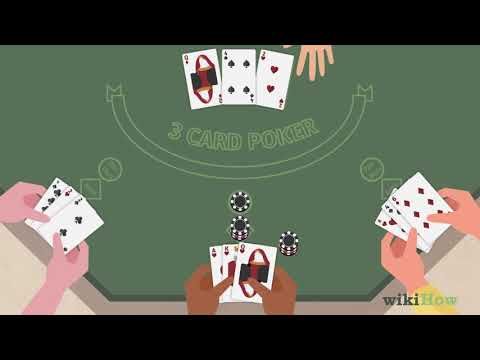
The summer of 2026 has turned the online casino world on its head. What once resembled a modest weekly leaderboard has exploded into a global festival of skill, luck, and relentless promotion. Operators are now staging dozens of tournaments each month, streaming live leaderboards, and offering prize pools that rival small‑scale sports events. For the everyday player, this shift means an unprecedented chance to turn a modest bankroll into a life‑changing sum without ever leaving the living room.
Why do these contests matter beyond the glitter of jackpots? First, they create a merit‑based pathway: consistent play, strategic bankroll management, and a pinch of daring can propel a newcomer into the winner’s circle. Second, the tournament format injects a competitive spirit that ordinary slots or table games often lack, fostering communities that share tips, replay analyses, and even form training squads. Finally, the financial incentives are no longer limited to a single spin; progressive leaderboards, mid‑tournament bonuses, and tiered payouts spread value throughout the event, rewarding both early aggression and late‑stage resilience.
In the pages that follow we’ll trace the meteoric rise of tournament play, dissect the formats that shape outcomes, and walk through two vivid case studies—a rookie who turned a €20 stake into a €50,000 prize and a veteran who mastered a multi‑stage circuit. Along the way we’ll uncover hidden bonuses, distil actionable strategies, and glimpse the future of competitive gambling as operators line up even bigger shows for 2027.
1. The Rise of Global Tournament Play
During 2025‑2026 the tournament calendar ballooned from a handful of seasonal events to a year‑round circuit spanning Europe, Asia, and the Americas. Leading operators such as SpinX, BetFusion and CasinoNova introduced “World Tour” series, where a single tournament could span three continents, each leg offering its own entry fee, theme, and prize pool. The result? Participation surged by an estimated 68 % according to aggregated traffic data from major affiliate networks.
The shift was not merely quantitative. Where leaderboards once existed as isolated, single‑game contests, today they are multi‑stage affairs. A player might begin in a “Slot Sprint” in Berlin, then qualify for a live‑dealer showdown in Tel Aviv, before the final showdown airs live from a virtual arena in Singapore. This layered structure encourages cross‑game expertise and keeps audiences engaged across time zones.
Key metrics illustrate the boom. Average tournament prize pools rose from €120,000 in early 2025 to over €350,000 by Q3 2026, with some flagship events topping €1 million. Media coverage followed suit: Twitch streams of the “Global Spins Grand Final” routinely attracted 250 k concurrent viewers, while dedicated casino news portals reported a 42 % increase in article shares. Even mainstream sports outlets have begun to feature tournament highlights, treating top‑earning players as rising e‑sports stars.
The expansion has also sparked regulatory attention. Several jurisdictions, including the UK Gambling Commission and Malta Gaming Authority, introduced specific licensing clauses for tournament‑style promotions, ensuring transparency around entry fees, prize distribution, and RNG compliance. This regulatory clarity, coupled with the sheer scale of player interest, has cemented tournament play as a cornerstone of the online casino ecosystem for 2026 and beyond.
2. Inside the Tournament Engine – Formats That Shape Winners
Tournament designers now wield a toolbox of formats, each nudging player behaviour in a distinct direction. The most common is single‑elimination, where a single loss ejects a competitor from the bracket; this creates high‑stakes pressure and rewards aggressive betting. Ladder tournaments, by contrast, allow participants to climb a points ladder over a set period, offering a safety net for early missteps and favouring consistent, low‑variance play. Timed‑score events—often called “Sprint Slots”—measure the total win amount within a fixed window, encouraging rapid spin‑rates and optimal bet sizing.
Bonus structures have become equally sophisticated. Many operators embed free‑spin boosts that trigger after a player reaches a predefined win threshold, effectively multiplying the RTP for a short burst. Cash‑back rounds appear midway through a tournament, reimbursing a percentage of net losses to keep bankrolls afloat and discourage early tilt. Some circuits even include “wildcard” slots that award extra points for hitting specific symbols, turning a high‑volatility game like Megabucks Fury into a strategic weapon.
Underlying all of this is a strict adherence to RNG certification. Operators must display proof of compliance from auditors such as eCOGRA or iTech Labs, ensuring that each spin, card draw, or roulette wheel spin remains statistically independent. This transparency is crucial; without it, the competitive integrity of a tournament would crumble, and players would lose confidence in the fairness of the contest.
What counts as a licensed operator differs market by market — online casino israel groups them by the licence a local player can rely on, helping participants verify where the tournament is officially sanctioned before they register.
Comparison table: Common tournament formats
| Format | Elimination style | Typical duration | Best player type |
|---|---|---|---|
| Single‑elimination | Lose once = out | 1‑2 hours | Aggressive, high‑risk bets |
| Ladder | Points accumulate | 1‑3 days | Consistent, low‑variance |
| Timed‑score (Sprint) | Fixed time window | 30‑45 minutes | Fast‑paced, high‑RTP games |
Beyond formats, smart players analyze the fine print: entry fee refunds on early exit, bonus expiry windows, and wagering requirements attached to mid‑tournament rewards. Ignoring these details can turn a promising run into a net loss, even when the raw win amount looks impressive.
3. Case Study #1 – “The Rookie’s Road to a €50,000 Grand Prize”
When 24‑year‑old Mateo Alvarez logged onto his first tournament in March 2026, he was a casual slot fan from Seville with a €20 bankroll and a curiosity about “big‑win” stories he’d seen on YouTube. The event in question was the “EuroSpin Sprint,” a timed‑score competition hosted by a mid‑tier operator that promised a €50,000 top prize and a 10 % cash‑back pool for the top ten finishers.
The Pre‑Tournament Research Phase
Mateo began by scanning forum threads on Reddit’s r/OnlineCasino and a few dedicated Discord channels. He noted which games offered the highest RTP—Royal Fortune at 96.8 % and Neon Galaxy at 97.2 %—and cross‑checked payout speed on operator reviews. Payment methods mattered; he selected a site that supported instant SEPA transfers, ensuring his winnings would be available within 24 hours. He also consulted user feedback on customer service response times, a factor that would become crucial when he needed a quick withdrawal after the win.
The Turning Point – Leveraging a Mid‑Game Bonus Round
The tournament kicked off with a 45‑minute sprint on Neon Galaxy. Mateo started with a €0.20 bet per spin, targeting the game’s 12‑payline, low‑volatility layout. At the 15‑minute mark, the engine triggered a free‑spin boost: 20 free spins with a 2× multiplier on all wins. Because he had been playing conservatively, his bankroll was still robust, allowing him to max out the boost without risking a bust. The multiplier propelled his score from €1,200 to €3,600, catapulting him into the top‑five leaderboard.
When the bonus window closed, Mateo shifted to a slightly higher bet of €0.50, chasing the game’s scatter‑triggered jackpot. A lucky streak yielded a €2,200 win, pushing his total to €5,800—a figure that held firm until the timer expired. The final leaderboard placed him first, awarding the €50,000 grand prize and a 10 % cash‑back share for his top‑ten finish.
Mateo’s story illustrates three pivotal decisions: deep research on RTP and payout methods, disciplined bankroll use before the boost, and the willingness to increase stake only after the guaranteed multiplier was secured. His ascent from rookie to champion underscores how a methodical approach can outshine raw luck in tournament environments.
4. Case Study #2 – “From Veteran to Legend: Mastering the Multi‑Stage Circuit”
Veteran player Lena Kovács entered the 2026 “World Tour Triple Crown” after a decade of high‑roller action across European casinos. The circuit comprised three back‑to‑back tournaments: a slot sprint in Berlin, a live‑dealer blackjack challenge in Dubai, and a roulette marathon in New York. Lena’s objective was not just the €200,000 cumulative prize pool but also to cement her reputation as a versatile competitor.
She approached the first leg with a deep dive into volatility profiles. Pharaoh’s Riches, the featured slot, carried a medium volatility and a 96 % RTP. Lena set a €1 bet per spin, aiming for steady accrual rather than chasing the occasional mega‑payline. She finished second, securing a €15,000 payout that rolled into her bankroll for the next stage.
In Dubai’s live‑dealer segment, the format shifted to a points‑based blackjack duel. Lena adjusted her strategy, employing a “basic strategy” chart and tightening her betting range to €10‑€30 per hand. The key was avoiding busts while capitalising on double‑down opportunities when the dealer showed a weak up‑card. She emerged victorious, adding €30,000 to her tally.
The final leg—a 12‑hour roulette marathon—tested her stamina. She employed a “column split” system, betting €20 on two adjacent dozens while hedging with a €10 even‑money bet on red. This balanced approach kept variance manageable over the marathon’s length.
Managing Fatigue and Bankroll Across Weeks
Lena’s regimen included scheduled micro‑breaks every 45 minutes, a hydration plan, and a strict cap of 3 hours of continuous play per day. She also compartmentalised her bankroll, allocating €10,000 to each tournament leg and refusing to re‑invest winnings into a higher‑risk gamble until the next day. This discipline prevented tilt and ensured that a single bad session could not jeopardise her overall standing.
By the circuit’s close, Lena had amassed €78,000 in prize money, securing the “Legend” badge reserved for players who finish in the top three of every leg. Her success story showcases how strategic adaptation across game types, disciplined stamina management, and a clear bankroll plan can transform a seasoned player into a dominant circuit champion.
5. The Hidden Bonuses That Propelled Winners
Beyond the headline‑grabbing free‑spin boosts, tournament veterans hunt for subtler promotional tools that can tilt the odds. Reload boosters, for example, grant an extra 5 % of a deposit as bonus credits during the tournament week. When timed to coincide with a low‑variance leg, those credits can be wagered on high‑RTP slots, effectively increasing expected value without additional risk.
Referral streaks also play a role. Some operators award a €10 bonus for each referred friend who completes ten qualifying spins during the tournament. A savvy player can line up a small community of casual gamers, turning social networking into a supplemental income stream that bolsters the bankroll.
VIP‑tier challenges are perhaps the most under‑utilised. High‑roller loyalty programs often unlock “secret” tournaments with exclusive prize pools. By maintaining a minimum monthly turnover—commonly €5,000—players gain entry to these elite events. Winners of such hidden contests have reported supplemental earnings of €20,000 to €40,000, effectively multiplying the overall tournament payout.
Timing is everything. The most successful participants schedule their reloads just before a scheduled bonus round, ensuring that the extra credits are in play when multipliers activate. They also monitor operator newsletters for flash promotions that pop up mid‑tournament, capitalising on limited‑time cash‑back offers that can offset a temporary losing streak.
6. Lessons Learned – Strategies Every Aspirant Should Adopt
- Budget First, Bet Second – Set a hard limit for tournament entry fees and stick to it. Allocate a separate bankroll for each leg of a multi‑stage circuit to prevent cross‑contamination of funds.
- Game Familiarity Beats Luck – Spend at least 10 hours on a game in free‑play mode before entering a competition. Understand its volatility, RTP, and bonus triggers; this knowledge translates directly into higher expected returns.
- Time‑Zone Planning – Align your peak performance window with the tournament schedule. If the event runs from 18:00 GMT to 22:00 GMT, schedule meals, breaks, and sleep to maximise alertness during those hours.
- Leverage Community Data – Join Discord groups or Reddit threads dedicated to the specific tournament. Players often share real‑time insights about bonus activation times and operator quirks.
- Exploit Hidden Promotions – Keep an eye on reload boosters, referral streaks, and VIP challenges. A €50 reload bonus can generate an extra €150 in expected profit on a 96 % RTP slot played with a 2 % house edge.
Pre‑tournament checklist
- Verify operator licence (use sites like Bassfiles to confirm local compliance).
- Test payment method speed (instant e‑wallets preferred).
- Review tournament rules: entry fee, prize distribution, bonus eligibility.
- Set alerts for mid‑tournament bonus windows.
- Prepare a hydration and snack plan to avoid fatigue.
Data analytics also empower modern players. By exporting personal spin‑history CSV files, one can calculate personal win rates per game, identify the most profitable bet sizes, and model expected outcomes using simple EV calculations (EV = RTP × bet − house edge). Applying these insights transforms a gut‑feel approach into a measurable strategy.
7. The Future Landscape: Upcoming Tournaments and Emerging Opportunities
Looking ahead to 2027, operators have already announced three flagship circuits: the “Euro‑Mega Sprint” with a €2 million prize pool, the “Asia‑Live Dealer League” featuring real‑time video streams from Macau tables, and the “North‑American Roulette Rally” with a progressive jackpot that grows each week. Early teasers suggest prize pools will increase by an average of 30 % year‑over‑year, driven by higher ad revenue and sponsorships from e‑sports brands.
Technological innovations are set to reshape the experience. Live‑streamed leaderboards now integrate augmented‑reality overlays, allowing spectators to see a player’s bet size, volatility rating, and even a heat map of recent wins. AI‑driven opponent analysis tools—still in beta—can suggest optimal bet adjustments based on real‑time pattern recognition, though regulators are debating whether such assistance should be permitted in competitive play.
Players can position themselves now by:
- Registering early for loyalty programs that promise exclusive bonus codes for 2027 events.
- Building a diversified game portfolio to meet multi‑game circuit requirements.
- Experimenting with AI‑assisted practice tools in a non‑tournament setting to sharpen decision‑making speed.
By staying ahead of these trends, today’s aspirants can convert the momentum of 2026’s tournament boom into a sustainable competitive edge for the next wave of high‑stakes contests.
Conclusion
The stories of Mateo’s meteoric rise and Lena’s circuit domination prove that tournament success is rarely a product of pure chance. It stems from meticulous research, disciplined bankroll stewardship, and the clever exploitation of hidden bonuses. As prize pools swell and technology blurs the line between casino floors and e‑sports arenas, the barrier to entry continues to fall for everyday players. Armed with the strategies outlined above, newcomers can step into the tournament arena with confidence, turning the next spin into a stepping stone toward champion status. The next tournament season is already on the horizon—will you be the underdog who writes the next victory story?