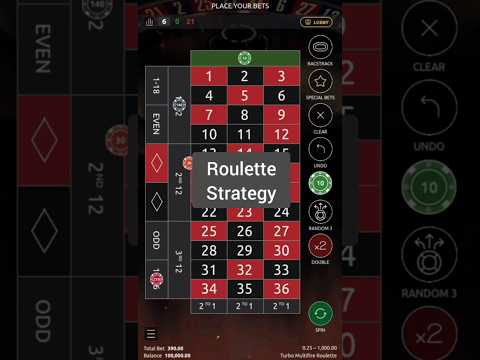
The online‑casino landscape has exploded in 2026, with global revenues topping $120 billion and a surge of players looking for both excitement and financial peace of mind. Modern gamblers no longer choose a game solely on theme or bonus; they weigh the odds of winning against the robustness of the payment infrastructure that protects every deposit and withdrawal.
Two formats dominate the market. Live‑dealer tables stream real‑time action from studios or brick‑and‑mortar floors, letting players see a human croupier shuffle cards, spin a roulette wheel, or deal blackjack hands. Random‑Number‑Generator (RNG) games, on the other hand, are pure software: slots, video poker, and table simulations that rely on mathematically proven algorithms to produce outcomes. Both promise entertainment, but they differ in how payouts are calculated, how often wins occur, and how securely money moves behind the scenes.
Because a high Return‑to‑Player (RTP) means little if a withdrawal is delayed or compromised, the discussion of “bigger payouts” must be paired with “safer payments.” Encryption standards, licensing regimes, and anti‑fraud tools shape the risk profile of each format.
This guide walks you through a side‑by‑side comparison. First we demystify RTP and house edge, then we look at real‑world win data, examine which payment methods each format supports, and dive into the security layers that keep your bankroll safe. Finally, we provide a checklist to maximise returns while protecting your funds, so you can decide which experience best matches your style and risk tolerance.
How Payout Percentages Are Calculated in Live and RNG Games
Return‑to‑Player (RTP) is the theoretical percentage of wagered money that a game returns to players over an infinite number of rounds. In practice, RTP is the inverse of the house edge: a slot with 96 % RTP carries a 4 % edge, while a blackjack variant with 99.5 % RTP gives the house only 0.5 % advantage.
Live‑dealer tables inherit the same mathematical edge as their land‑based counterparts because the dealer follows the same rule set and shoe composition. For example, European roulette in a licensed casino typically holds a 2.70 % house edge (RTP = 97.30 %). The human element introduces “variance” – a dealer might pause longer between spins or deal a slightly different number of cards when a shoe is reshuffled, but the underlying probability matrix stays constant.
RNG games, by contrast, generate outcomes with a certified algorithm. Independent testing houses such as eCOGRA, iTech Labs, and Gaming Laboratories International audit the code, run millions of simulated spins, and publish the resulting RTP. A top‑rated RNG slot like “Starlight Voyage” may advertise 98.2 % RTP, while a classic video poker “Joker’s Wild” sits at 99.54 % when played with optimal strategy.
The table below summarises average RTPs across popular live tables and leading RNG slots as of the latest 2026 audits.
| Game Type | Typical RTP Range | Example (Live) | Example (RNG) |
|---|---|---|---|
| European Roulette | 96.5 % – 97.5 % | Live dealer, UKGC‑licensed | RNG slot “Roulette Rush” 96.6 % |
| Blackjack (single‑deck) | 98.5 % – 99.5 % | Live dealer, Vegas Strip | RNG video blackjack 99.2 % |
| Baccarat | 98.9 % – 99.1 % | Live dealer, Macau floor | RNG “Baccarat Blitz” 99.0 % |
| Video Slots | 94 % – 98 % | — | “Mega Mines” 97.8 % |
| Progressive Slots | 85 % – 92 % | — | “Jackpot Jungle” 90.3 % |
The key takeaway is that live tables rarely stray far from their brick‑and‑mortar RTPs, while RNG slots can be engineered to sit at the higher or lower end of the spectrum depending on the developer’s design goals. Certified audits guarantee that the published percentages are not marketing fluff but statistically verified figures.
Real‑World Win Data: Which Format Pays More Often?
Regulators in the UK, Malta, and Curacao released aggregated win‑frequency reports for the 2025‑2026 fiscal year, offering a rare glimpse into how theory translates into actual player outcomes. Across the board, live‑dealer blackjack showed the highest win‑rate per 1,000 hands, with players cashing out on roughly 540 hands (54 %). Live roulette produced wins on 470 out of 1,000 spins, while live baccarat hovered near 495 wins per 1,000 rounds.
RNG slots, however, displayed a broader volatility spread. Low‑variance titles such as “Fruit Fusion” paid out on 720 spins per 1,000, but the average win size was modest—often a single line win or a small free‑spin bonus. High‑variance slots like “Dragon Treasure” paid out on only 210 spins per 1,000, yet the jackpot frequency climbed to one mega‑win per 12,000 spins, dwarfing the typical live‑dealer payout.
Betting limits further shape profit potential. Live tables usually enforce minimum bets of $10‑$25, with maximums ranging from $2,000 to $10,000 depending on the casino and jurisdiction. RNG slots accept wagers as low as $0.10, allowing players with modest bankrolls to stay in the game longer and ride variance. Conversely, high‑limit slots such as “Mega Mines” accept bets up to $500 per spin, offering a bridge between the steady flow of live tables and the explosive upside of progressive jackpots.
Skip the guesswork – online casino in kuwait narrows down the best options so you can start playing sooner, with platforms that already meet strict payout and security standards.
When you align the data with personal goals, the picture becomes clearer. If you prefer consistent, smaller cash‑outs and enjoy watching a dealer’s hand unfold, live blackjack or baccarat delivers the most frequent wins. If chasing a life‑changing jackpot outweighs the desire for regular payouts, high‑variance RNG slots are the logical choice.
Payment‑Method Compatibility: Live Tables vs. RNG Slots
Deposit and withdrawal options shape the overall user experience as much as game mechanics. Live‑dealer rooms, especially those operated by premium providers, often require higher minimum deposits—typically $50 to $100—to cover the cost of streaming infrastructure and dealer staffing. Consequently, they tend to favour traditional, low‑friction methods such as Visa/MasterCard, bank transfers, and major e‑wallets like Skrill or Neteller. Some operators even block certain crypto wallets on live tables to avoid regulatory complications.
RNG games enjoy broader payment flexibility. Because the software runs on the casino’s backend server, the transaction layer can be decoupled from the game engine. Players can fund accounts with a wide array of instant‑pay solutions: e‑wallets, prepaid cards, direct crypto deposits (Bitcoin, Ethereum, and emerging stablecoins), and even emerging payment‑initiated methods like PayPal’s “Pay in‑4.” Minimum deposits can dip to $5, and many platforms offer “instant win” withdrawals for small balances via e‑wallets, with processing times under 15 minutes.
Encryption standards protect both formats, but the implementation differs. Live‑dealer platforms rely heavily on Transport Layer Security (TLS 1.3) for the video stream, coupled with tokenisation of card data to keep sensitive information out of the streaming pipeline. RNG casinos, meanwhile, embed TLS 1.3 directly into the API calls that handle deposits and payouts, often adding an additional layer of end‑to‑end encryption for crypto transactions.
In short, if you need a wide selection of instant‑pay methods and low‑minimum deposits, RNG slots provide the most compatible environment. Live‑dealer tables, while slightly more restrictive, still offer robust, industry‑standard security for the payment methods they support.
Security Layers Specific to Live Dealers
Live‑dealer environments introduce a physical component that demands extra safeguards. First, the streaming servers are locked behind SSL certificates and require two‑factor authentication (2FA) for dealer consoles. This prevents unauthorized access to the camera feeds and ensures that only vetted personnel can operate the table.
Anti‑cheat measures are multi‑layered. Cameras are positioned at angles that capture the entire table, the shoe, and the dealer’s hands, eliminating blind spots where a collusion attempt could hide. Facial recognition software cross‑checks dealer identities against a central registry, while real‑time monitoring teams watch for irregularities such as hand‑switching or delayed shuffling.
Player‑to‑dealer interaction—chat windows, tip buttons, and voice‑over‑IP (VoIP) for “talk‑to‑the‑dealer” features—runs through encrypted channels separate from the video stream. This prevents eavesdropping and protects personal data entered into the chat box.
Regulators enforce strict licensing for live‑gaming operators. In the UK, a live‑gaming licence requires proof of independent RNG testing for any virtual side‑bets, regular audits of dealer training procedures, and compliance with the Gambling Commission’s “Fair and Open” standards. Similar mandates exist under Malta’s Remote Gaming Regulations and Curacao’s eGaming Licence, ensuring that live‑dealer rooms meet a baseline of security and fairness comparable to traditional casinos.
RNG Integrity and Fraud Prevention
RNG‑based games rest on algorithmic randomness, which must be demonstrably fair. Independent testing houses audit the code at least annually, running billions of simulated spins to verify that the output distribution matches the declared RTP within a tight confidence interval. Many operators publish the test report on their website, allowing players to verify the data themselves.
Server‑side encryption protects the seed generation process. A cryptographically secure pseudo‑random number generator (CSPRNG) draws its seed from a hardware‑based random‑number source, then hashes it with SHA‑256 before feeding it to the game engine. For crypto‑friendly platforms, provably‑fair technology lets players view the seed, the hash, and the resulting outcome, confirming that the casino could not have altered the result after the bet was placed.
Common fraud vectors include botting, where automated scripts place thousands of bets per second, and collusion, where multiple accounts share information to exploit bonus terms. Operators counter these threats with behavioural analytics, IP fingerprinting, and transaction velocity limits. When a pattern deviates from normal human play—such as sub‑second bet placement—automated safeguards either pause the account or flag it for manual review.
Dispute resolution tends to be faster for RNG games because the outcome is logged instantly and can be reproduced from the seed data. Live‑dealer disputes, especially those involving perceived dealer errors, may require video review and can take longer to settle, though most reputable operators aim to resolve issues within 48 hours.
Player Experience: Speed of Play, Social Interaction, and Trust
RNG spins occur in milliseconds; a player can place dozens of bets per minute, making the format ideal for high‑tempo sessions or “quick‑play” breaks. Live tables, by design, follow the rhythm of a real casino: the dealer shuffles, deals, and waits for player decisions, resulting in a round time of 30‑45 seconds for blackjack or 20‑30 seconds for roulette.
Social interaction is a hallmark of live dealers. Chat windows let players exchange banter, tip a dealer for a good hand, or celebrate a big win together. This human presence can boost perceived fairness; seeing a real hand of cards reduces the suspicion that a computer is “rigging” outcomes. Conversely, RNG games rely on algorithmic transparency—provably‑fair logs, published RTPs, and third‑party audits—to build trust.
Choosing the right format depends on risk tolerance and enjoyment style. If you thrive on community, enjoy watching a dealer’s personality, and prefer steady, moderate wins, live blackjack or baccarat aligns with those preferences. If you relish rapid action, want to experiment with multiple bet sizes in a single session, and are comfortable with statistical variance, RNG slots and video poker provide that adrenaline rush.
Tips for aligning format with style
– Social players: Opt for live tables with active chat and dealer tipping options.
– Speed seekers: Stick to RNG slots with auto‑play features and low‑minimum bets.
– Risk‑averse: Choose low‑variance live games or low‑volatility slots that pay out frequently.
Maximising Your Returns While Keeping Funds Safe
- Verify licence and jurisdiction – Check that the casino holds a UKGC, Malta Gaming Authority, or equivalent licence.
- Inspect SSL certificates – Look for “https://” and a padlock icon; click to view the certificate details.
- Test withdrawal speed – Make a small withdrawal first; reputable sites process e‑wallet payouts within 15‑30 minutes.
- Set bankroll limits – Decide in advance how much you will deposit each week and stick to it.
- Choose optimal game combos –
- Steady gains: Live single‑deck blackjack (RTP ≈ 99.5 %) with a $10‑$25 minimum.
- Big‑hit potential: High‑RTP RNG slots like “Starlight Voyage” (RTP = 98.2 %) paired with occasional progressive spins.
- Activate responsible‑gaming tools – Use deposit limits, session timers, and self‑exclusion features offered by both live and RNG platforms.
Cheat sheet before your next deposit
- Licence ✅
- SSL/TLS ✅
- Withdrawal test ✅
- Bankroll cap set ✅
- Game choice matched to risk profile ✅
Following this checklist lets you enjoy the thrill of either format while keeping your money under a solid security umbrella.
Conclusion
Live dealers bring the ambience of a brick‑and‑mortar casino to your screen, delivering transparent, socially rich gameplay with moderate, predictable payouts. RNG games, meanwhile, excel at offering higher volatility, a wider selection of instant‑pay options, and the potential for massive jackpots. The optimal choice hinges on whether you value frequent, steady wins and human interaction, or you prefer rapid action, broader payment flexibility, and the chance of a life‑changing hit.
Apply the verification checklist, stay within licensed jurisdictions, and balance your bankroll according to the format you select. With the right combination of game type, payment method, and security awareness, you can maximise returns while keeping your funds safe—turning every session into both a fun and financially responsible experience.