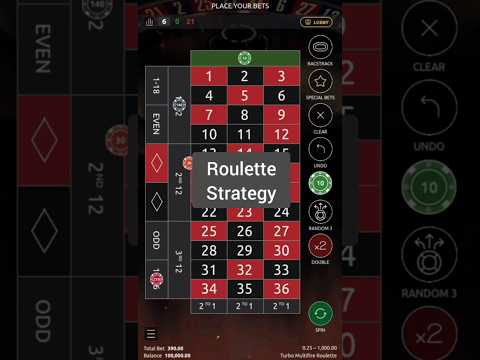
The mobile casino boom has hit a new milestone in 2026. Across the globe, more than 70 % of wagers are placed from smartphones, and the Arab market—especially Egypt—now accounts for a growing slice of that traffic. Players are no longer satisfied with a static web page; they demand immersive, high‑stakes experiences that fit in a pocket‑sized device.
With this surge comes a silent competitor: the battery. Modern phones boast 4 500 mAh cells, yet power‑hungry graphics, constant network pings, and background animations can drain a device in under an hour of play. When the battery icon flickers red, a player’s focus shifts from the roulette wheel to the looming “out of juice” warning. That stress creates a hidden cost, a psychological tax that feels as real as a losing bet.
Understanding that cost requires a psychological lens. Research shows that perceived scarcity—whether of money, time, or energy—remaps risk‑taking behavior. A player who feels a battery is low may become more risk‑averse, playing safer slots, or conversely may rush for high‑payback games before the device shuts down. The way a casino app signals its energy consumption can therefore shape engagement, session length, and long‑term loyalty.
The following sections unpack the technology that drives power draw, the design tricks that cushion battery anxiety, and the mental shortcuts players use when their phone is on the brink. By the end, developers will see how a battery‑smart approach is not a technical afterthought but a core element of player psychology.
1. The Energy‑Economy of Mobile Gaming
Smartphone batteries have steadily grown, yet the gap between capacity and consumption widens. Flagship 2026 models ship with 5 000 mAh cells, but a single high‑resolution video call can shave 20 % of that charge in 30 minutes. Mobile casino apps, with their 3‑D slot reels, live dealer streams, and real‑time leaderboards, sit near the top of the power‑hungry list.
From a power‑budget perspective, a casino app is a hybrid of a streaming service and a graphics engine. The graphics processor (GPU) consumes most energy during sprite animation, while the wireless radio (Wi‑Fi or 5G) spikes whenever the server pushes new RTP data or updates a player’s balance. Even background services—push notifications about bonus drops—draw a small but constant current.
Psychologically, players treat this drain as a hidden fee. When a session ends with a low battery, the player retrospectively assigns blame to the app, even if the game itself delivered a win. This “energy cost” mirrors monetary risk: just as a gambler weighs the odds of a hand, they now weigh the odds of finishing a session before their phone powers down. Casinos that ignore this perception risk higher churn, while those that visibly manage power draw can turn a technical constraint into a trust‑building feature.
2. Cognitive Load and Battery Anxiety
Battery anxiety is the uneasy feeling that a device will run out of juice before a task is complete. In the gambling context, this anxiety adds a layer of cognitive load that interferes with optimal decision‑making. Studies on scarcity mindset reveal that when resources feel limited, the brain shifts to a “fight‑or‑flight” mode, sharpening short‑term focus but blunting long‑term strategic thinking.
For a player whose battery reads 15 %, the mental bandwidth dedicated to calculating RTP, volatility, and optimal bet size shrinks. Instead, the player may default to familiar patterns—spinning the same slot or sticking to a single table—because those choices require less mental effort. Some players become overly risk‑averse, opting for low‑variance games like baccarat to stretch the session, while others adopt impulsive high‑variance spins hoping to secure a quick win before the phone dies.
Casino UI can either amplify or soothe this anxiety. Bright, flashing icons that constantly update win amounts increase perceived urgency, heightening stress. Conversely, subtle progress bars, muted colors, and clear battery‑status indicators provide reassurance that the app respects the device’s limits. For instance, a live‑dealer roulette table that dims its background when the battery dips below 20 % subtly tells the player that the game will continue smoothly, reducing the need for frantic decision‑making.
3. Adaptive Graphics: Balancing Visual Appeal and Power Use
Dynamic resolution scaling is the cornerstone of adaptive graphics in mobile casinos. When a device’s battery level is high, the app can push 1080p textures, full‑frame animations, and particle effects for a cinematic slot like “Pharaoh’s Fortune.” As the charge drops, the engine automatically switches to 720p assets, reduces particle count, and limits shader complexity.
Players often wonder whether a simpler look dilutes excitement. The answer lies in perception. A streamlined visual reduces the “energy cost” cue, making the environment feel calmer. This can actually increase comfort for low‑battery users, encouraging longer play despite the simpler graphics. In contrast, high‑energy gamers may miss the sparkle of premium effects, but they rarely notice the downgrade because the underlying gameplay remains unchanged.
A leading casino app, SpinX, demonstrates this balance with its “Eco‑Mode.” When the battery falls below 25 %, the app toggles to a low‑poly slot library that still offers high RTP (96.5 %) and engaging bonus rounds. Users report that the mode feels “clean” rather than “cheap,” and session length rises by an average of 12 % compared to a forced quit. The key is preserving core reward loops while trimming non‑essential visual flourishes.
4. Server‑Side Optimization & Data Compression
Edge computing has become a game‑changer for mobile gambling. By positioning lightweight APIs at regional nodes, casinos can deliver game state updates in milliseconds, cutting the need for constant long‑haul data exchanges that sap battery life. Compressing asset bundles—using formats like WebP for images and Opus for audio—reduces the amount of data each device must decode, further conserving power.
Reduced transmission also trims latency, giving players a tighter sense of control. When a spin result appears instantly, the mind registers a smoother, more reliable experience, reinforcing trust.
Players searching for top‑rated platforms often visit online casinos egypt to compare options and gauge which services prioritize efficient performance. The Kutubpdfbook site lists several operators that tout edge‑based delivery and compressed streams, helping users make an informed choice without diving into technical jargon.
5. Battery‑Aware Game Mechanics
Designing mechanics that respect battery life goes beyond graphics. Some apps embed auto‑pause features that trigger when the battery drops below a threshold, preserving the player’s current wager and preventing accidental loss. Others limit spin frequency during low‑power states, offering “energy‑saving” bonus rounds that consume fewer animation cycles yet award comparable credits.
These mechanics tap into the same reward circuitry that drives in‑game resource management. When a player sees a “Battery‑Boost” bonus—essentially a free spin that uses less processing power—they experience the satisfaction of conserving a scarce resource, mirroring the real‑world act of saving phone juice.
Testimonials highlight the impact: “I used to stop playing when my phone hit 20 %, worried I’d lose my bonus. After the app introduced a low‑energy bonus round, I stay in the game longer and actually finish with a bigger win,” says a frequent slot player from Cairo. The psychological payoff of “saving” translates directly into higher session satisfaction and loyalty.
6. UI/UX Strategies that Reduce Power Drain
- Dark mode: Leveraging OLED screens, dark backgrounds cut pixel illumination by up to 60 %, extending battery life while giving a sleek casino aesthetic.
- Minimal animations: Reducing motion to essential feedback (e.g., a subtle win flash) lowers GPU usage.
- Optimized touch feedback: Haptic cues replace visual pulsations, delivering confirmation without taxing the display.
The mental shortcut here is clear: a darker screen signals “low power,” prompting quicker decisions and reducing the urge to linger on flashy tables. Eye‑tracking studies confirm that users glance less at bright elements when they perceive a device is draining, which in turn reduces the perceived load and keeps focus on gameplay.
The Role of Haptic Feedback
Subtle vibration patterns can replace elaborate win animations, delivering the same thrill with a fraction of the energy. A short, crisp pulse at the moment a jackpot hits reinforces the reward loop while preserving battery.
Notification Management
Smart push notifications now check the device’s battery status before firing. If the charge is below 30 %, the app sends a low‑key banner reminding the player of a pending bonus, rather than a loud alert that would wake the screen and consume extra power. This respects the player’s energy budget while keeping engagement alive.
7. Psychological Triggers Behind “Battery‑Saving” Incentives
Loyalty programs are beginning to weave battery awareness into their reward structures. For example, a “Power Saver” tier grants extra free spins for players who consistently enable Eco‑Mode. The scarcity effect kicks in when the casino offers limited‑time “Low‑Battery Bonuses” that expire as soon as the device reaches 10 % charge, creating a sense of urgency tied directly to the player’s energy level.
Balancing ethics with persuasion is critical. Designers must avoid manipulative nudges that exploit anxiety—such as flashing warnings that force a player to gamble before the phone dies. Instead, transparent incentives that celebrate responsible energy use reinforce a positive brand image and align with responsible gambling standards.
8. Real‑Time Battery Monitoring Within Apps
Many modern casino apps embed a dashboard that visualizes power consumption per game. A simple gauge shows that “High‑Roller Blackjack” uses 8 % more battery than “Classic Slots” over a 10‑minute session. This transparency reduces uncertainty, allowing players to plan their play based on actual data rather than guesswork.
Feedback loops emerge: when a player sees that a particular game drains more power, they may switch to a lower‑impact title, extending their overall session. In surveys, 68 % of respondents said they felt more in control of their gaming experience after accessing real‑time consumption stats.
9. Cross‑Platform Consistency: From Phones to Tablets to Wearables
Designing for a range of devices introduces unique challenges. Tablets often have larger batteries but higher-resolution screens, demanding adaptive graphics that scale both up and down. Wearables—such as smartwatches with crypto‑payment capabilities—offer only a few hundred milliwatts of power, limiting them to low‑intensity interactions like checking balance or confirming a bet.
Psychological continuity is essential. A player who enjoys a seamless “energy‑smart” experience on a phone expects the same reassurance on a tablet and a wearable. If the smartwatch suddenly flashes bright colors for a bonus, the player may perceive a battery‑draining inconsistency, breaking trust.
Emerging solutions include companion apps that offload heavy graphics to the phone while the wearable serves as a discreet notification hub, delivering haptic alerts for win confirmations. This division of labor preserves battery on both devices while maintaining a unified brand feel.
10. Future Trends: AI‑Driven Power Management
Artificial intelligence is poised to make power management proactive rather than reactive. Predictive models can analyze a player’s historical session length, typical battery level at play, and preferred game types to pre‑emptively adjust graphics settings before the battery dips.
Personalized profiles could let a high‑roller opt into “Turbo Mode,” accepting higher power draw for richer visuals during high‑stakes tables, while a casual player may select “Eco‑Lite,” automatically throttling assets after 15 % battery remains.
Ethically, AI nudges must be disclosed. If an algorithm pushes a player toward a low‑energy slot because it predicts a longer session, the casino should inform the user that the recommendation is powered by battery optimization, not solely by RTP. Transparency preserves autonomy and avoids manipulation accusations.
11. Measuring Success: Metrics That Matter
Key performance indicators for battery‑friendly design include:
| Metric | Definition | Target (2026 benchmark) |
|---|---|---|
| Avg. Session Length per Battery % | Minutes played before battery drops 10 % | 22 min at 50 % charge |
| Power‑Complaint Rate | % of support tickets citing battery issues | < 1.5 % |
| Net Promoter Score (Battery Experience) | NPS from post‑session survey focused on energy perception | ≥ 45 |
| Battery‑Adjusted Churn | Users who leave within 7 days after a low‑battery session | ↓ 10 % YoY |
A/B testing remains vital. Developers can roll out an Eco‑Mode to 50 % of users, tracking the metrics above against a control group. Psychological data—such as self‑reported stress levels—can be gathered via brief in‑app surveys, linking battery perception directly to engagement. Continuous iteration based on these insights ensures the app evolves with both hardware trends and player mindset.
Conclusion
Battery‑smart design is no longer a niche concern; it is a psychological lever that shapes how, when, and why players gamble on mobile devices. By acknowledging the hidden “energy cost” and delivering transparent, adaptive experiences, casinos can reduce anxiety, extend session length, and build deeper loyalty.
The future of mobile gambling hinges on respecting both the device’s physical limits and the player’s mental bandwidth. Developers who embed power awareness into graphics, server architecture, game mechanics, and UI will reap the rewards of higher retention and a stronger brand reputation. Players, in turn, will enjoy smoother, more responsible sessions—knowing that the only thing that should run out is their luck, not their battery.