
Okay, so check this out—I’ve been poking around Solana wallets for a while. Whoa! The Phantom extension is everywhere now. Seriously? Yeah, and my instinct said: great UX, but be careful. Initially I thought a browser extension was just a fancy keyring. But then I realized the extension sits at the edge of your browser, which means it’s also at the edge of your risk surface. Hmm… somethin’ felt off about how casually people paste seed phrases into random prompts.
Here’s what bugs me about the download conversation: people assume any “Phantom” label equals the real thing. Not true. On one hand the official product is polished and widely used. On the other hand copycats and fake listings pop up in stores and on mirror sites. Actually, wait—let me rephrase that: trust is earned, and for wallets, trust should be verified.
Quick reality check before installing anything
First impressions matter. If the extension page is sloppy or the publisher name looks off, bail. My advice is practical: look for consistent branding, reviews that read like real human experiences, and permissions that make sense. Wow! That simple vetting filters out a lot. On a deeper level, think about where the installer redirects you. If something asks for your seed phrase in a popup before setup finishes — run. Seriously.
If you want to compare what you find, there’s a resource I sometimes reference: https://sites.google.com/cryptowalletextensionus.com/phantomwalletdownloadextension/ — but remember this: a secondary link can be helpful for cross-checking, not the final word. I’m biased, but I always cross-reference with official channels and community chatter (Reddit threads, Discord, Twitter) before I proceed. Also double-check the extension ID if you can; that helps a lot.
On the technical end, the extension model is both brilliant and brittle. It gives great convenience — in-browser transactions, token swapping, NFT interactions — though actually it also exposes you to phishing overlays and malicious RPC endpoints if you slip up. Initially I thought “browser extension = desktop wallet,” but there’s nuance: extension permissions, background scripts, and the origin policy all matter. On the flip side, Phantom has invested heavily in UX and security signals, so there are reasons to trust but still verify.
Here’s a practical checklist I use. Short list, quick to scan. 1) Confirm the publisher and extension ID. 2) Read recent reviews for red flags. 3) Check permissions — they should be minimal. 4) Never paste your seed phrase into a website or popup. 5) Use hardware wallet integration when possible. Hmm… worth repeating: never paste your seed.
People ask me: “How do I know the extension is legit?” Good question. My approach is layered. First, check the storefront listing carefully. Then cross-reference with social channels and GitHub if available. If something doesn’t add up, pause and ask in a community you trust. On one hand this seems like overkill. On the other hand, it’s what keeps you from becoming a cautionary tale. I’m not 100% sure my approach is perfect, but it has saved me from a couple of very sketchy installs.
Let me give you a real-world-ish scenario: you install an extension that looks like Phantom. It asks for a seed phrase right after installation with a modal that looks identical to the real UI. Your gut may say it’s okay because it looks familiar. My instinct said no. So I unplugged, checked the extension ID, and found it was a clone. No drama, avoided loss. That moment changed how careful I am when installing wallets — small habit, big payoff.
Security habits that actually stick? Use a hardware wallet for large balances. Create small, separate hot wallets for daily use. Keep nothing long-term on exchanges unless you need to. And yes — enable phishing protection and opt out of suspicious RPC endpoints. Also, clear your extension’s cache if you see weird behavior… somethin’ as simple as that can help.
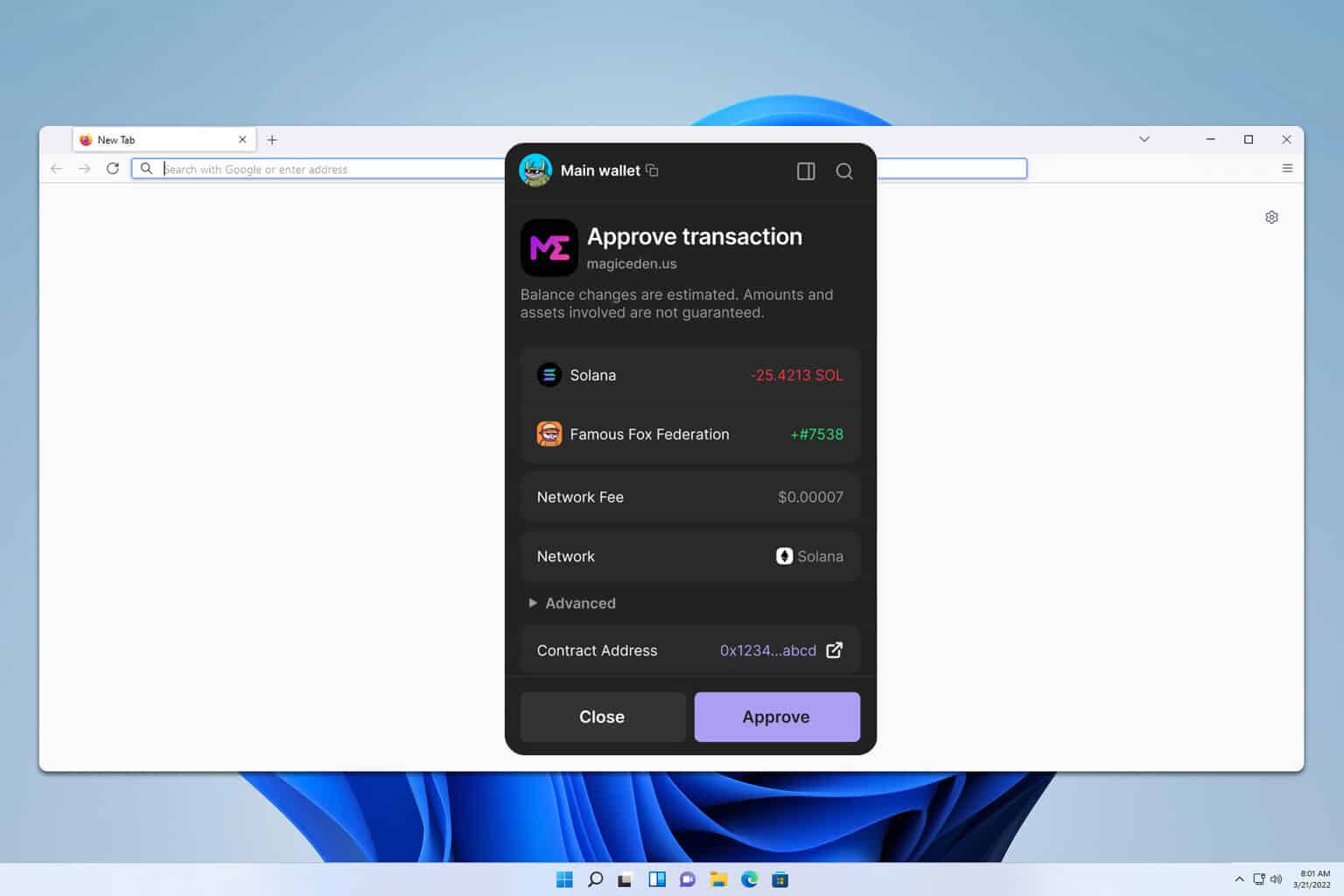
There’s a trade-off between convenience and control. Extensions are convenient. But when convenience equals a single-click approve for transactions, you need to manage that convenience deliberately. On one hand, approval flows are streamlined so you can buy an NFT fast. On the other, a careless click can authorize token spending you didn’t intend. Initially I thought confirmations alone were enough. Then I read transaction data more closely. That was an “aha” moment.
FAQ: Common things people ask me
Q: Can I safely download Phantom from third-party mirrors?
A: Generally no, you should be cautious. Mirrors can be helpful for reference, but the safest route is official sources and verified stores. If you do use a mirror for information, cross-check identities and extension IDs, and never enter your seed phrase into any site.
Q: What permissions should a legit wallet request?
A: Minimal permissions: access to websites for transaction popups and possibly storage for local settings. Anything asking to read or modify all browser data, or to access unknown RPC endpoints by default, is worth questioning. If a permission looks excessive, that’s a red flag.
Q: Is a hardware wallet overkill?
A: Not at all. For serious sums, hardware wallets add a separate signing layer that browser extensions can’t override. Use a hardware wallet paired with an extension when possible — it keeps your private keys offline while still letting you interact in-browser.